
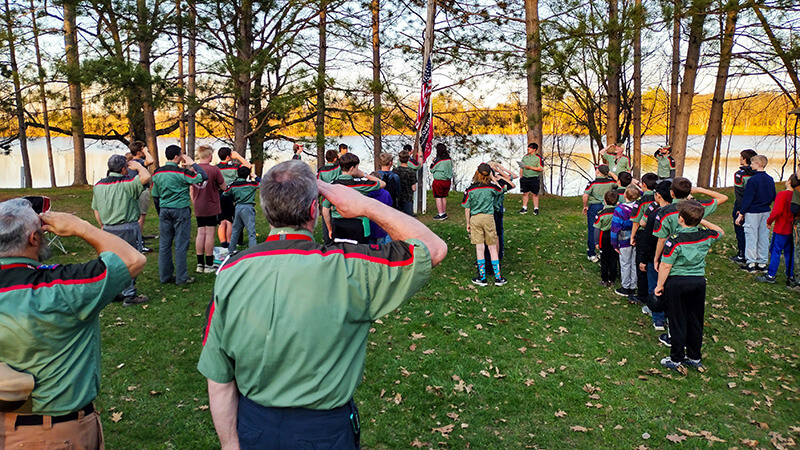
Every generation of boys needs men who are willing to show up, invest time, and guide them toward maturity. While schools, coaches, and youth programs all play important roles, there is something uniquely powerful about a committed father or male mentor who walks alongside a boy as he grows. Boys are not simply looking for instruction—they are looking for examples, challenges, and encouragement from men they respect.
Healthy masculinity is not developed accidentally. It grows through guidance, responsibility, adventure, and meaningful relationships. When adult men intentionally invest in boys, they help shape the next generation of capable husbands, fathers, leaders, and servants in their communities.
Below are several practical ways fathers and mentors can nurture boys and help them grow into strong, responsible men.
1. Be Present and Consistent
One of the greatest gifts a man can offer a boy is consistent presence. Boys notice who shows up—whether it’s at a troop meeting, a game, a campout, or a difficult moment in life. Being present communicates a powerful message: You matter.
Consistency builds trust. When boys know they can rely on a mentor or father, they become more willing to ask questions, seek guidance, and accept correction.
Action step:
Schedule regular time together—whether it’s a weekly outdoor activity, a campout, or simply working on a project side-by-side.
2. Teach Practical Skills
Boys thrive when they are given the chance to work with their hands and solve real problems. Skills such as building fires, cooking outdoors, navigating with a compass, repairing equipment, or constructing something from wood give boys confidence in their ability to handle challenges.
These skills also teach patience, perseverance, and responsibility.
Action step:
Take time to teach one practical skill each month—something tangible that boys can practice and master.
3. Create Rites of Passage
For most of history, cultures marked the transition from boyhood to manhood through rites of passage. These moments signaled growth, responsibility, and trust.
Modern culture often lacks these clear milestones, leaving many boys unsure of what it means to become a man.
A meaningful rite of passage doesn’t need to be elaborate. It might involve:
- A challenging backpacking trip
- Learning to lead a group
- A father-son wilderness weekend
- Completing a difficult service project
The key is recognizing a moment when a boy has earned greater responsibility and trust.
4. Give Boys Opportunities to Lead
Leadership is not learned through lectures—it’s learned through practice and experience. Boys need opportunities to organize activities, make decisions, and guide others.
Sometimes they will succeed. Sometimes they will fail. Both outcomes are valuable learning experiences.
When mentors allow boys to lead, they communicate an important message: I trust you to step up.
Action step:
Let boys plan a hike, lead a meeting activity, or organize a service project.
5. Challenge Them Through Games and Competition
Boys naturally enjoy competition and physical challenges. Healthy competition builds resilience, teamwork, and determination.
Games that involve running, strength, strategy, or teamwork provide an outlet for energy while reinforcing important life lessons like fairness and perseverance.
Action step:
Incorporate games that challenge both body and mind—relay races, obstacle courses, or outdoor skill competitions.
6. Provide Structure and Clear Expectations
Boys respond well to clear structure and boundaries. Expectations about behavior, responsibility, and respect create an environment where boys can thrive.
Structure does not suppress masculinity—it channels it in positive ways.
When boys understand the rules and the reasons behind them, they develop discipline and self-control.
Action step:
Set clear standards for teamwork, respect, and responsibility within your group or family.
7. Encourage Courage and Responsibility
Courage isn’t just about physical bravery. It includes:
- Admitting mistakes
- Standing up for others
- Doing the right thing when it’s difficult
Mentors can nurture courage by encouraging boys to step outside their comfort zones and take responsibility for their actions.
8. Model Positive Masculinity
Boys learn more from what men do than from what they say.
When mentors demonstrate qualities such as integrity, humility, discipline, and kindness, boys absorb those traits naturally.
Positive masculinity includes:
- Strength combined with compassion
- Leadership paired with service
- Confidence guided by humility
Boys need examples of men who use their strength to protect, serve, and uplift others.
9. Encourage Adventure and Exploration
Adventure is an important part of boyhood. Hiking a new trail, paddling a canoe, camping under the stars, or navigating unfamiliar terrain teaches boys to overcome obstacles and trust their abilities.
Adventure also fosters appreciation for nature and helps boys develop resilience.
In the outdoors, distractions fade and meaningful conversations often happen naturally.
10. Speak Words of Encouragement
Boys need to hear that they are capable, valued, and respected. Encouragement helps them develop confidence and a sense of purpose.
A simple statement like “I’m proud of the effort you put into that” can have a lasting impact.
Mentors who affirm growth and effort help boys see that their hard work matters.
Shaping the Next Generation
Boys do not automatically become strong, responsible men. They grow into manhood through guidance, challenge, and example from the men around them.
When fathers and mentors intentionally invest in boys—teaching skills, offering leadership opportunities, creating adventures, and modeling integrity—they help shape young men who are ready to serve their families, communities, and faith.
The next generation is watching closely. They are learning what it means to be a man from the examples they see every day.
And sometimes the most powerful influence in a boy’s life is simply a good man who chooses to show up and walk the journey with him.
 Troopmaster Times
Leave a comment